
Having planning permission refused is frustrating, especially if you have spent money on drawings, surveys and fees. But a refusal is rarely the end of the road. In my experience, it is often the start of a better plan.
I have been involved in land and development for close to 40 years, including acquiring planning permissions on sites that had been turned down before. Here is what I would look at first.
Why was planning permission refused?
Every refusal notice lists the reasons. Read them carefully, because they tell you what the council would need to see next time. Common reasons include:
- Overdevelopment, or a design that is out of character with the street
- Loss of light or privacy for neighbours
- Access, parking or highway safety concerns
- Green Belt, flood risk or conservation area policies
- Not enough information, such as missing ecology or drainage reports
Some of these can be fixed with a revised design. Others, such as Green Belt policy, are much harder to overcome. Knowing which kind you are dealing with saves a lot of wasted money.
6 next steps after planning permission refused
1. Talk to the planning officer
Ask what changes would make the scheme acceptable. Many councils offer pre-application advice for a fee. It is far cheaper than a second refusal.
2. Submit a revised application
If the issues are about design, height, layout or parking, a smaller or redesigned scheme can often succeed. In many cases, a resubmission within 12 months of a refusal on the same site does not need a new fee, but check with your council first.
3. Appeal the decision
If you believe the refusal went against the council’s own policies, you can appeal to the Planning Inspectorate. There are strict deadlines, and they differ for householder applications and larger schemes. The government’s guide to appealing a planning decision sets out the current rules and timescales.
4. Wait for the local plan to change
Local plans set out where councils want new homes. When a new plan is adopted, sites that were refused can become acceptable, or the opposite. On the Wirral, the Local Plan adopted in 2025 focuses development on previously developed land, which matters a lot for anyone with a greenfield plot.
5. Use an option agreement
If you do not want to keep funding applications yourself, an option agreement lets someone like me take on the planning risk and cost. If planning is granted, I buy the land at an agreed price or share of value. If it is not, you still own the land and you have not paid for the work. My plain English guide to land option agreements explains how this works.
6. Sell the land as it is
Some buyers will purchase land with planning permission refused, pricing in the risk and the potential. You get certainty and a clean exit, but usually a lower figure than you would with consent in place.
How the local picture affects your chances
Every council weighs applications against its own local plan, and the picture across our area varies. Liverpool’s urban sites face different questions from a rural plot outside Chester. On the Wirral, the brownfield-first approach means land that has been built on before, such as old yards and workshops, generally stands a better chance than open fields.
Garden plots inside existing towns and villages sit somewhere in between. They are judged on design, access, neighbours and the character of the street. That is exactly where a fresh design can turn things round, even on a site that has had planning permission refused before.
It is also worth checking whether your council has run a “call for sites”, where landowners put land forward for future development. Getting a site on the radar early can help when the next plan is drawn up.
Is it worth appealing when planning permission is refused?
An appeal makes sense when the council’s reasons are weak or go against its own policies. It makes less sense when the refusal is based on solid policy grounds, such as Green Belt or flood risk, because those rarely change at appeal.
Appeals also take time, often many months. If you need money sooner, or you are tired of dealing with it, an option agreement or a sale may suit you better.
Mistakes I see after planning permission refused
- Resubmitting the same scheme with tiny changes and hoping for a different result
- Ignoring neighbour objections instead of addressing them in the design
- Spending thousands on an appeal without professional advice on the chances
- Selling the land for far less than it is worth, without understanding its potential
What land do I look at?
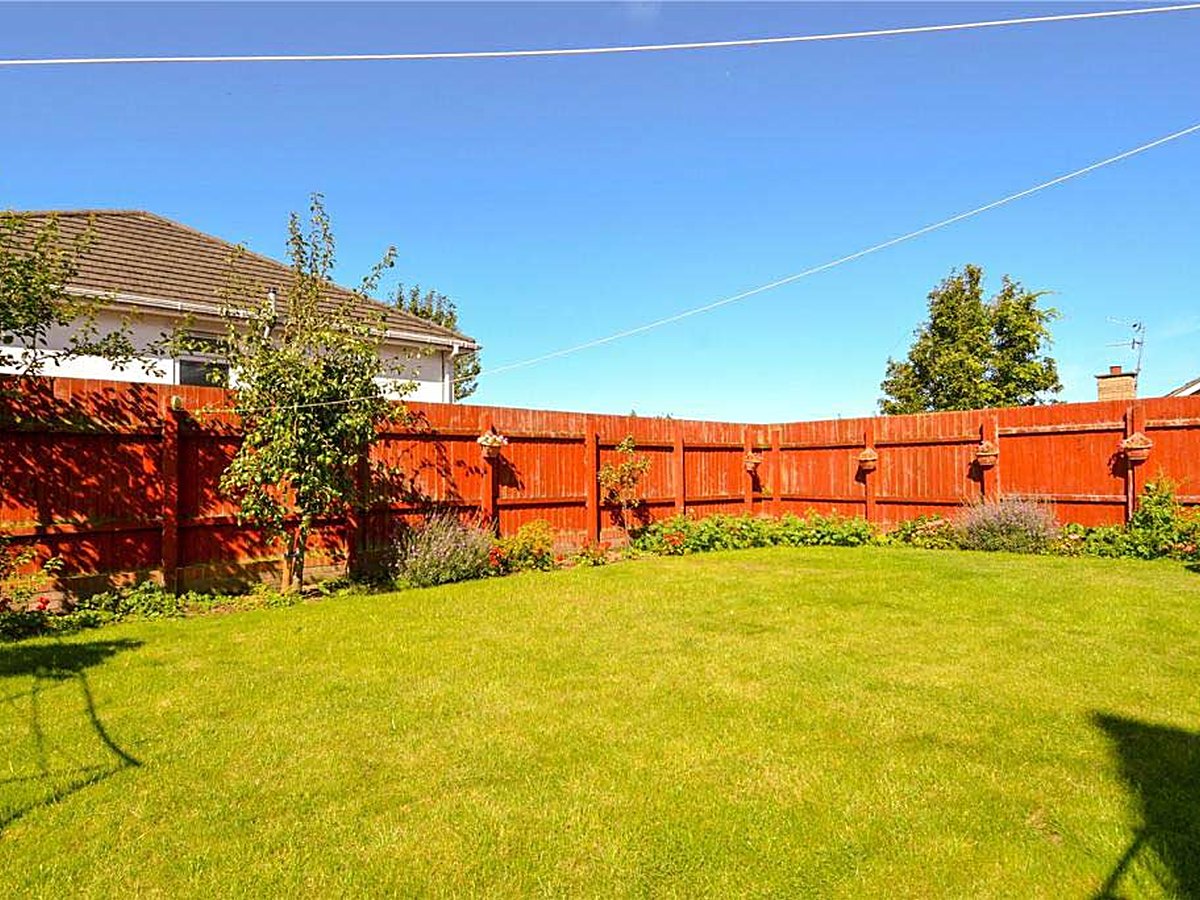
I am interested in large gardens, side plots, old nurseries and market gardens, yards and small brownfield sites across the Wirral, Liverpool, Chester and Cheshire. A site that has had planning permission refused once, or even twice, is not ruled out. Sometimes the right design and the right approach make all the difference.
You can read more about my approach on the land and planning page.
FAQs about planning permission refused
Can I reapply after planning permission is refused?
Yes. You can submit a new or revised application at any time. It works best when you have dealt with the specific reasons for refusal.
How long do I have to appeal?
It depends on the type of application. Householder appeals have a shorter deadline than larger schemes, so check the official guidance as soon as you receive the decision.
Will a refusal lower the value of my land?
It can affect what a buyer will pay, but the reasons matter more than the refusal itself. A design-based refusal is often easier to overcome than a policy-based one.
Do you buy land with planning permission refused?
Yes. I look at every site on its merits, and I often use option agreements so the landowner keeps the upside.
If you have had planning permission refused and want a second opinion, get in touch and send me the decision notice. I will tell you honestly whether I think there is a way forward.