

Old nurseries, paddocks, yards, garage blocks and oversized gardens. Across the Wirral, Liverpool and Cheshire there are thousands of sites like these, and many of their owners have no idea what they could be worth as land for development.
I have spent close to 40 years building, developing and acquiring planning permissions. Here is how I would think about selling land for development, and the routes open to you.
What makes good land for development?
No two sites are the same, but buyers look at the same basics:
- Location: inside or next to existing towns and villages is usually better than open countryside.
- Access: safe road access is essential. Many sites fail on this alone.
- Planning policy: the local plan decides where homes should go. Green Belt land is very hard to develop.
- Previous use: land that has been built on before, often called brownfield, is generally favoured.
- Constraints: flood risk, protected trees, ecology, drainage and ground conditions.
On the Wirral, the Local Plan adopted in 2025 focuses on previously developed land. That makes old yards, workshops and similar sites particularly interesting.
6 ways to sell land for development
1. Sell it as it is
You sell the land without planning permission. It is quick and simple, but the price reflects the risk the buyer is taking on.
2. Get planning first, then sell
Planning consent can add a lot of value. But you pay for the drawings, surveys and fees, and there is no guarantee of success. If it is refused, you have spent money for nothing. My guide to what to do after planning permission is refused covers the next steps.
3. Use an option agreement
The buyer pays for the planning work and takes the risk. If consent is granted, they buy at a pre-agreed price or share of value. If not, you still own the land. My plain English guide to option agreements explains how it works.
4. Promotion agreement
A land promoter funds the planning process and then sells the site on the open market, taking a share of the proceeds. These tend to suit larger sites.
5. Joint venture
You put in the land, a developer puts in the money and skills, and you share the profit. It can pay well, but you share the risk too.
6. Sell with an overage clause
You sell now, but if planning is granted later you receive an extra payment. It protects you from selling too cheaply.
How land for development is valued
Most buyers use a “residual” method. They work out what the finished homes would sell for, then take off build costs, fees, finance, planning obligations and profit. What is left is what they can pay for the land.
That is why two buyers can offer very different figures. Their assumptions on house prices, build costs and planning risk will differ. Always ask how an offer was worked out.
Get your site on the council’s radar
When councils prepare a new local plan, they usually run a “call for sites”, inviting landowners to put land forward. The government’s guidance on land availability assessments explains how this works. Submitting your site does not guarantee anything, but it puts it on record for the future.
Mistakes landowners make
- Accepting the first offer without understanding the site’s potential
- Paying for planning without checking local policy first
- Signing an option or promotion agreement without independent legal advice
- Forgetting about access, which can make or break a site
The land for development I look at
I look at large gardens, side plots, old nurseries and market gardens, yards, garage blocks and small brownfield sites across the Wirral, Liverpool, Chester and Cheshire. I am happy to take on sites that have been refused before. You can read more on my land and planning page.
What to prepare before you talk to buyers
A little preparation helps you get better offers and avoid wasted time. Gather what you can:
- Your title plan and deeds, showing the exact boundary
- Any previous planning applications and decisions
- Details of access, rights of way and services such as water and drainage
- Anything you know about the ground, such as old buildings, fuel tanks or fill
- Whether neighbours share any part of the access
Check your boundaries carefully. A strip of land you do not own between your site and the road, sometimes called a ransom strip, can stop a scheme altogether or hand a big share of the value to someone else.
It also helps to think about what you want from the deal. Some landowners want the best possible price and are happy to wait. Others want certainty now. An honest buyer will explain which route suits which goal.
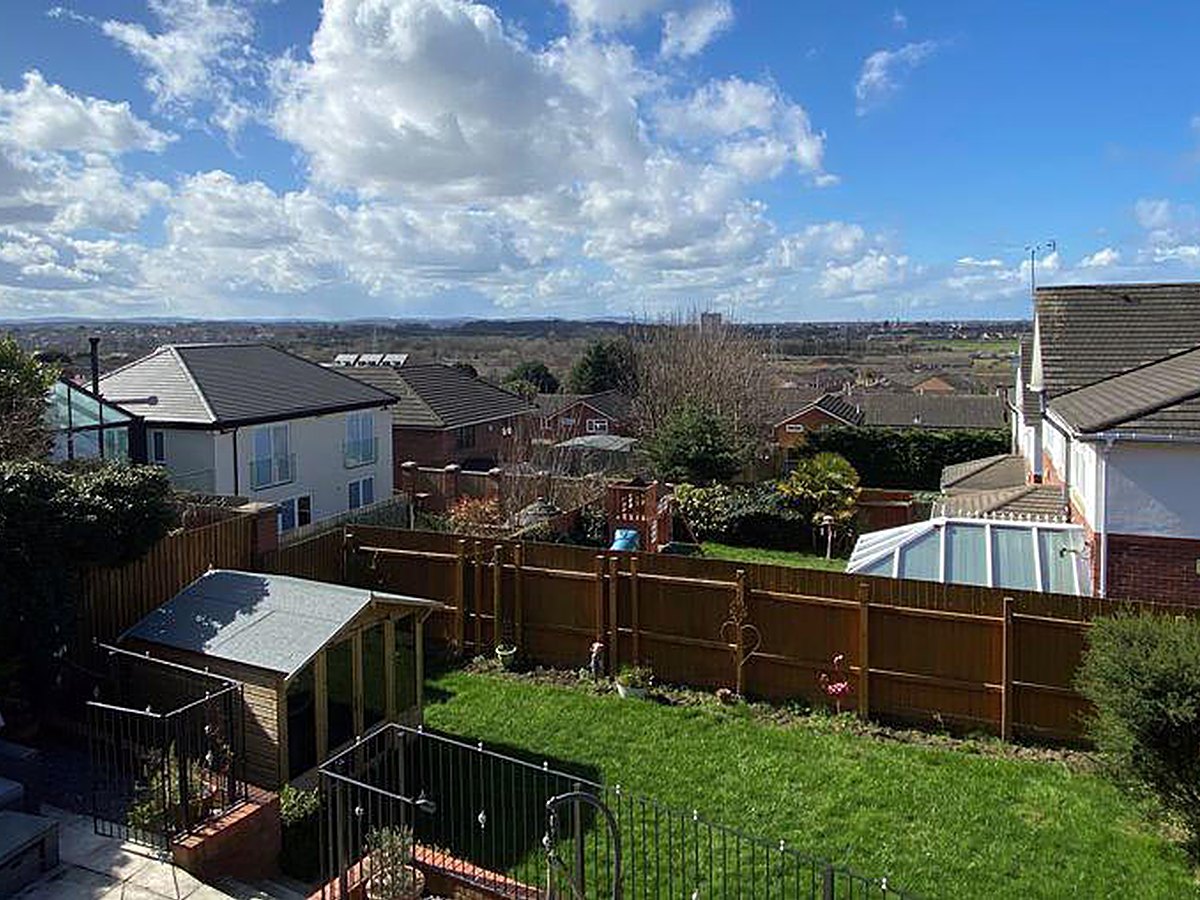
FAQs about selling land for development
How do I know if my land has development potential?
Check the local plan, look at what has been approved nearby and get an experienced opinion on access and constraints.
Do I need planning permission to sell land for development?
No. You can sell without it, but planning usually increases the value. An option agreement lets you benefit without paying for it yourself.
How long does it take?
A straight sale can be quick. Anything involving planning usually takes many months.
Will you look at small plots?
Yes. Even a single building plot can be worth exploring.
If you own land for development across the Wirral, Liverpool or Cheshire, get in touch for an honest view of its potential.