
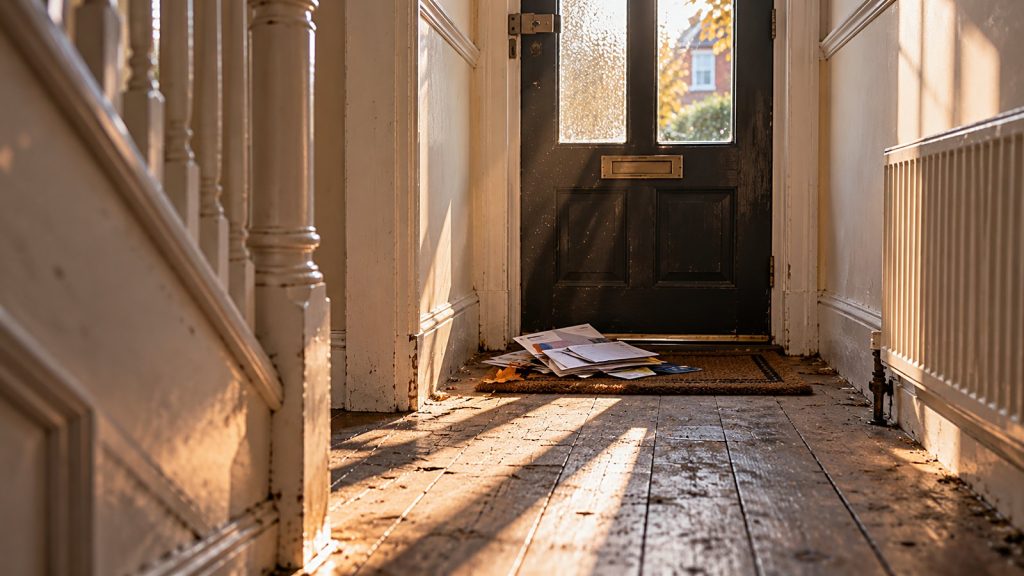
An empty house can feel like it is costing nothing. Nobody is living there, so there are no food bills or busy mornings. But the costs quietly add up, and some of them grow the longer the property sits.
Whether the house is inherited, waiting to be sold or left after a move, here is what an empty house really costs, and what you can do about it.
6 hidden costs of an empty house
1. Council tax and the empty homes premium
You will usually still pay council tax on an empty house. Once a property has been empty for a year, councils can add an extra premium, and the charge can climb to several times the normal bill for homes empty for many years. The government explains the rules for second homes and empty properties, including some temporary exceptions, such as after probate or while a home is being marketed.
2. Insurance
Most standard home insurance policies have an unoccupancy clause. If the house is empty for more than a set number of days, cover can be reduced or cancelled. Specialist unoccupied property insurance usually costs more and comes with conditions, such as regular inspections.
3. Utilities and standing charges
Even with nothing switched on, standing charges still apply. In winter you may need to keep the heating ticking over to stop pipes freezing and damp building up.
4. Damp, decay and repairs
Houses deteriorate faster when nobody lives in them. Small leaks go unnoticed, gutters block, and damp spreads without heat and airflow. A minor issue can become a big repair bill within one winter.
5. Security risks
Empty homes attract break-ins, metal theft, vandalism and fly-tipping. Repairs after a break-in can be expensive, and some insurers will not pay if conditions were not met.
6. Your time and stress
Checking the property, dealing with post, cutting the grass and worrying about it all take time. For many owners, this is the cost that weighs heaviest.
How quickly the bills add up
Add up a year of council tax, specialist insurance, utilities and basic maintenance, and an empty house can easily cost thousands of pounds before any repairs. Over two or three years, that figure grows, and the property’s condition usually gets worse, lowering its value at the same time.
That double hit, rising costs and falling value, is why it is worth making a decision sooner rather than later.
Why houses end up empty
- Probate, where the family has not decided what to do
- The owner has moved into care or in with family
- A sale has fallen through, sometimes more than once
- The house needs too much work to rent or live in
- A landlord has had tenants leave and does not want to relet
If you are dealing with an inherited home, my guide to selling an inherited or probate property covers the extra steps. If a buyer has let you down, read what happens when your buyer pulls out.
Your options for an empty house
Renovate and rent it out
This can create income, but needs money, time and the appetite to be a landlord, with all the rules that now involves.
Renovate and sell
Work can add value, but costs and timescales often run over, and you keep paying the bills in the meantime.
Sell it on the open market
This can achieve a good price if the house is mortgageable and you have time. Expect it to take months.
Sell it to a cash buyer
The fastest way to stop the bills. Condition does not matter, there is no chain and you choose the completion date. My guide to selling a house that needs work explains more.
A real-world example
A common situation I see goes like this. A family inherits a parent’s house, everyone is busy, and nobody wants to rush decisions. A year later the house still has its old furniture inside, the heating has been off over winter and damp has started appearing in the back bedroom. The council tax premium is about to start, the insurance has lapsed onto expensive cover, and the garden has turned into a jungle.
None of that is anyone’s fault. But by the time the family is ready to sell, the empty house is worth less and has cost a lot more than anyone expected. A clear plan in the first few months would have saved money and stress.
Agreeing what to do with family
When several people own or inherit a property, decisions can stall. It helps to agree a deadline, get one or two valuations and set out the options in writing, including the running costs. Having the figures in front of everyone often makes the right choice clearer.
Practical steps while it is empty
- Tell your insurer and check the unoccupancy terms
- Visit regularly and keep a simple log
- Drain the water system or keep low heating on in winter
- Redirect the post and keep the front tidy
- Tell your council, and ask about any exemptions

FAQs about owning an empty house
Do I pay council tax on an empty house?
Usually, yes. Some exemptions and discounts apply in certain situations, so check with your council.
How long can a house be empty before insurance is affected?
It depends on your policy. Many have a limit of around 30 to 60 days, so check yours now.
Can the council take over an empty house?
In rare cases councils can use powers on long-term empty homes, but it is unusual. Rising council tax is a far more common problem.
Will you buy an empty house in poor condition?
Yes. I buy empty homes across the Wirral, Liverpool, Chester and Cheshire, whatever the state.
If you have an empty house costing you money, tell me about it here and I will give you a straight answer.